
The Allure of Casinos: Why People Play
Casino gaming attracts millions of players worldwide, driven by a complex interplay of psychological factors. The thrill of risk-taking and the potential for immediate rewards create an environment ripe for excitement. This sense of excitement is not merely about winning money; it is also about the experience itself—an escape from routine and a venture into a realm of possibility. This psychological draw is enhanced by the aesthetics of casinos, where lights, sounds, and ambiance are meticulously designed to keep players engaged. Many players might find this blend of excitement and community reminiscent of visiting the best non gamstop casinos 2026 consistently to engage with their favorite games.
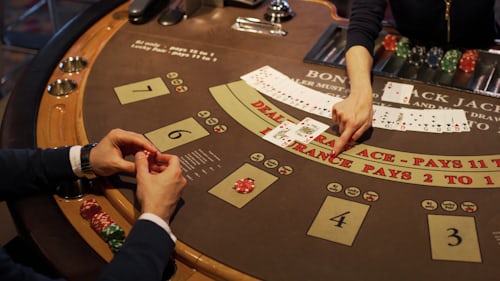
Moreover, the social aspect of casino gaming cannot be overlooked. Many players enjoy the camaraderie found in these settings, whether at card tables or slot machines. The shared experience of winning or losing creates a bond among players, reinforcing their desire to return. Understanding these motivations is crucial for recognizing why individuals are drawn to casino environments, as they tap into fundamental human instincts related to competition, community, and reward.
The Role of Illusion and Gambler’s Fallacy
Central to the psychology of casino gaming is the concept of illusion. Casinos often create an environment where players feel a false sense of control over their outcomes. Through various cues and programming, such as frequent wins on slots, players may develop an illusion of skill or timing. This can lead to the gambler’s fallacy, where individuals believe that past results can influence future outcomes, despite each game being independently determined. This cognitive bias keeps players engaged longer than they might otherwise intend.
The allure of “near misses” also enhances this phenomenon. In games where players come close to winning, such as slots or roulette, they may feel a stronger urge to continue playing. These psychological tricks are intentional, designed to entice players into believing they are on the brink of a big win, thereby perpetuating their gaming experience. Understanding these psychological dynamics can help players recognize their tendencies and make more informed choices while gaming.
The Impact of Reward Systems and Reinforcement
Reward systems in casinos are intricately designed to maximize player engagement. Variable reinforcement—where rewards are given intermittently rather than consistently—creates an unpredictable outcome that keeps players hungry for more. This approach mirrors the mechanics of gambling addiction, where the anticipation of a reward can be as compelling as the reward itself. Studies indicate that unpredictable rewards activate the brain’s pleasure centers more intensely than predictable outcomes.
Furthermore, loyalty programs and bonuses offer additional layers of reinforcement. These programs encourage repeat visits and prolonged play, as players accumulate points or incentives that promise future benefits. By understanding these reinforcement mechanisms, players can better navigate their gaming experiences and develop strategies to manage their spending and enjoyment effectively.
The Emotional Roller Coaster of Wins and Losses
The emotional landscape of casino gaming is characterized by a roller coaster of highs and lows. Winning can generate immediate joy and euphoria, stimulating feelings of accomplishment and satisfaction. Conversely, losses can lead to frustration, disappointment, and even a desire to recoup losses—often referred to as chasing losses. This emotional cycle can significantly impact decision-making and can lead to irresponsible gambling behaviors.
Awareness of this emotional dynamic is critical. Players who understand their emotional responses to wins and losses can develop healthier gaming habits. Strategies such as setting limits and recognizing the signs of emotional distress can empower players to engage with gambling in a more balanced manner, ensuring that their experiences remain enjoyable rather than harmful.

Conclusion: Awareness and Responsible Gaming Practices
Understanding the psychology behind casino gaming dynamics is essential for engaging with the activity responsibly. By acknowledging the factors that drive participation, such as the allure of reward systems, the effects of illusion, and the emotional impacts of gambling, individuals can make more informed choices. Awareness of these psychological elements can lead to healthier gaming practices, ensuring that entertainment remains the primary focus.
In conclusion, as the world of gambling continues to evolve, integrating psychological insights into gaming practices can enhance player experiences. Responsible gaming is not only about knowing how to play but also about being aware of the underlying psychological motivations that influence behavior. This awareness can foster a more sustainable and enjoyable gambling environment.
Recent Comments